
When the roof pages fill up
A chimney report from Winfield Chimney Group often has its busiest pages at the top of the chimney. In Cypress that is no surprise: winter storms push water at the highest, most exposed masonry, and salt air from the coast works on any plain steel up there. This post takes the findings that most often appear on those pages and puts each one beside what it costs to fix, or explains why it has no set figure yet.
The aim is simple. You should be able to read a roof page and know, before you pick up the phone, roughly what each line means for your budget.
The findings, one by one
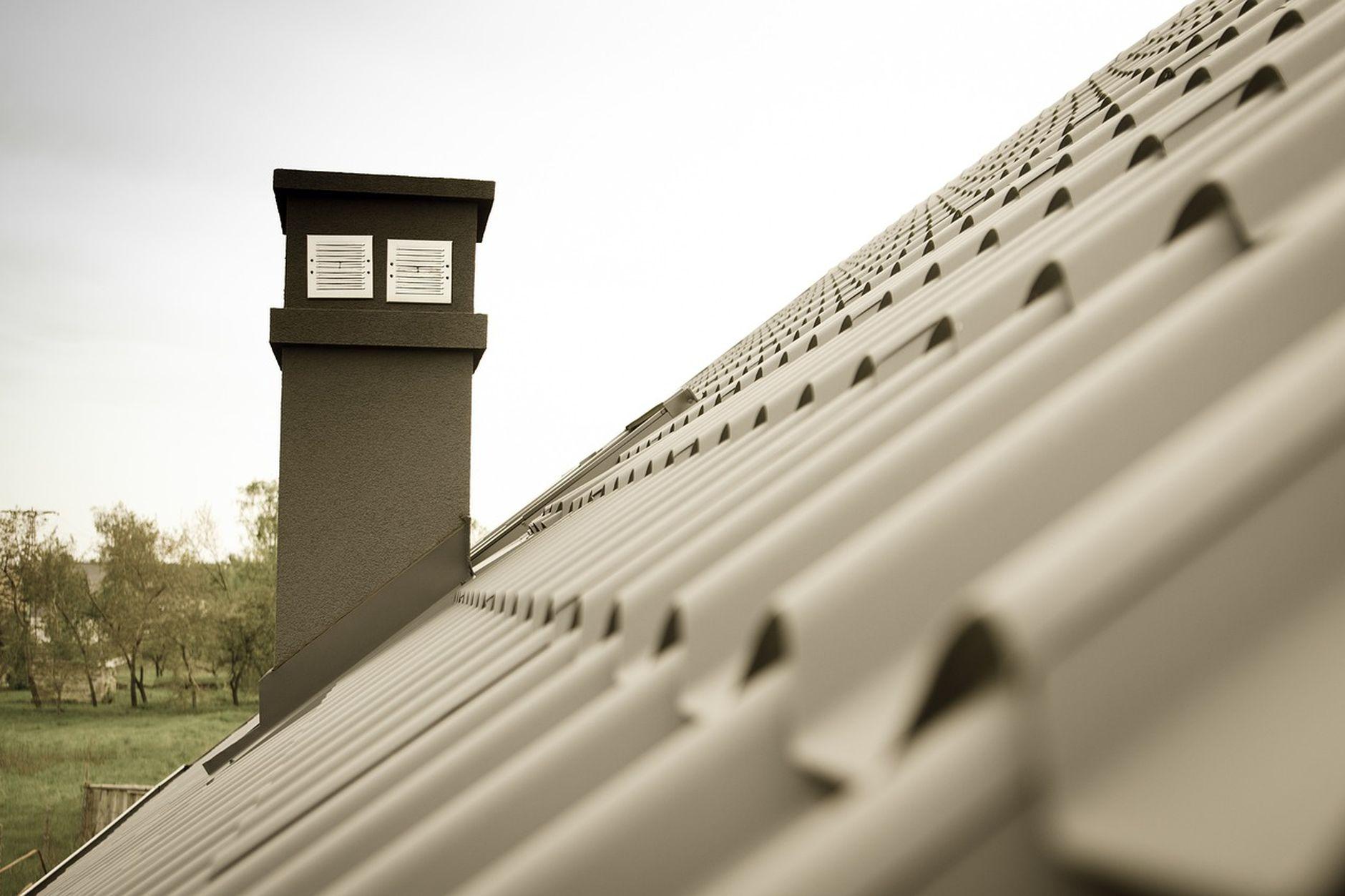
Cracked or crumbling crown. The crown is the cement slab that seals the top of a masonry chimney around the liner. When the report shows hairline cracking, the fix is usually a sealing coat. When it shows pieces missing or the slab broken through, the crown has to be rebuilt. How much depends on the size of the slab and what is under it, so crown repair has no set figure; you get one in writing once we have seen it.
Water stains inside. A stain near the chimney can come from the crown, the cap, the joints, the metal seam at the roof or a combination. The report notes where the stain shows and what we saw outside. Tracking it to its source and stopping it is leak repair, which has a published range.
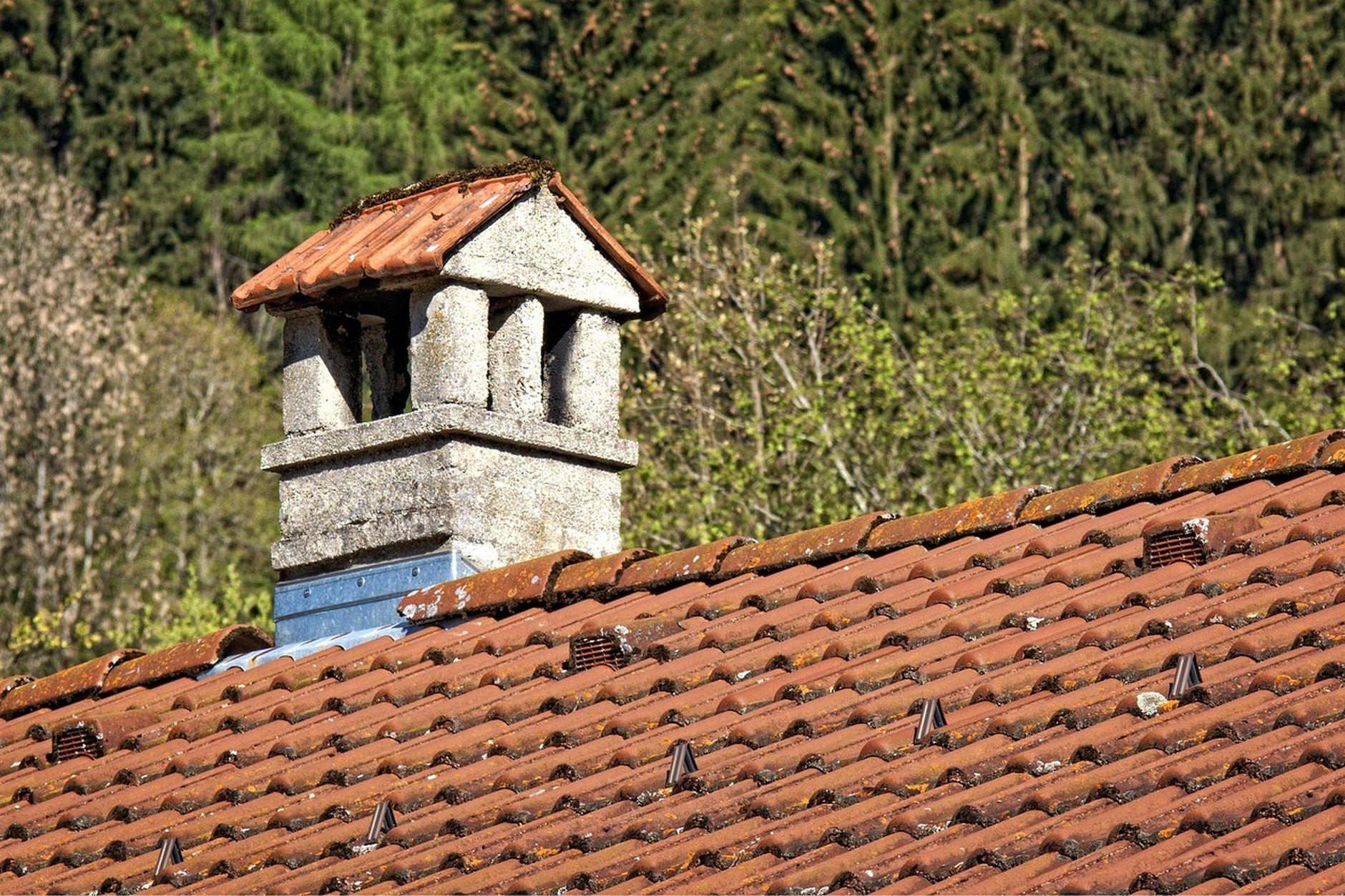
Missing, rusted or loose cap. A flue with no hood over it takes rain straight in, and an open top invites birds. A cap is quoted after we measure. Size and metal set the price.
Water pooling behind a wide chimney. On a stack wider than about 30 inches across the slope, the report may recommend a cricket, a small diverter built on the uphill side. That also has a published range, with or without new metal around the base.
Damper rusted or not sealing. Salt air and summer damp do this to plain steel dampers. Whether the old one can be freed or must be replaced decides the price, so damper repair gets its own written figure.
Rusted chase cover. Many Cypress homes have a factory-built fireplace with a metal flue inside a framed box on the outside wall. The metal lid on top of that box rusts and holds water. A chase cover is made to size, so it is priced once measured.
Our published figures
These are the items from those pages with a set range on our list, in the order they most often appear in a Cypress report:
| Report finding | Price |
|---|---|
| Stain inside traced to its source and stopped | $590 to $3,500 |
| Water banking up behind a wide stack, diverter only | $470 to $1,060 |
| Same diverter, plus new metal all round the base | $705 to $1,750 |
A hood for a flue opening that has none, or one rusted through, is quoted after we measure the flue.
The low end of each range is a small, straightforward job on an easy roof. The biggest job is a large chimney, custom metal, or a leak that turns out to have more than one route in.
The items with no set figure
Crowns, liners, dampers, chase covers and the roof seam replaced on its own all vary too much from house to house for a published range to mean anything. For each one you receive a separate repair sheet listing exactly what would be done, with the photos from the report attached. You can take that sheet to any contractor; the inspection report stays a neutral record.
How to rank what the report found
Read the marks first:
- Act now items come before anything else. A crown broken through over a damaged liner, or a leak reaching the framing, sits here.
- Plan it items should be done before the wet months. A cracked crown that has not yet let water through, or a cap with a torn mesh, usually sits here.
- Leave it items need nothing now.
Within each mark, water comes first. A leak left through one winter can turn a crown or seam repair into a larger masonry job, and that changes the figure considerably.
What decides your price and next step
Three things decide the cost:
1. How many findings share a cause. A cracked crown and a stain inside are often one problem, priced once. 2. Size and access. A tall chimney or a steep tile roof takes more setup. 3. Whether the masonry underneath is sound. If it is not, the repair grows, and the sheet says so before any work starts.
If your report already lists these items, send the form at the top of this page with the date of the report and the lines you want priced. If you do not have a report yet, the Level 2 at $410 gives us the camera footage we need to price liner and crown work properly.
When a permit comes into it
Most of the work above is repair in kind and does not need a city permit. Rebuilding a chimney above the roof, or fitting a new liner or appliance, may. The up to code repairs page explains how permits and sign-off fit into the job, and the repair sheet notes where one applies.
For how the report itself is laid out, read our page-by-page guide to a Level 2.
Getting the sheet
Send the lines from your report through the contact page, and we will reply with the published figures that apply and arrange a visit for anything that needs its own.
Rather See Your Own Chimney on Paper?
Winfield Chimney Group inspects, photographs each part and grades it sound, monitor or repair before use. Owners in Cypress, Lakewood, Seal Beach and Bellflower get one PDF they can forward to an agent, a buyer or a tenant.