Start with the cover sheet
A house sale in Cypress puts a chimney report in front of people who have never read one: the seller, the buyer, two agents and sometimes a lender. Winfield Chimney Group writes its Level 2 reports so each of them can follow the pages without a phone call. This post goes through one in the order you will meet it.
The first page holds the facts nobody should have to guess at later. The property address. The date of the visit. The level of inspection. The name of the person who booked it, and the list of people who were sent a copy. If a buyer's lender or a second agent asks for the document months from now, that sheet answers who, when and what in a few lines.
It also states what the inspection did not cover. If a crawl space was blocked by stored boxes, or a section of attic had no safe footing, the cover sheet says so in a sentence. A report that skips that line leaves you assuming the whole chimney was seen.
The summary box
Below the cover details sits a short table that counts the findings by mark:
| Mark | Meaning in a sale |
|---|---|
| Act now | Do not use the fireplace until it is fixed. Usually becomes a repair request. |
| Plan it | Sound for now, needs work before the wet months. Often becomes a credit. |
| Leave it | Normal wear. Noted so nobody mistakes it for a defect later. |
Read the box, then read the pages anyway. A single Act now line can matter more to a sale than six Plan it lines.
The firebox and damper pages
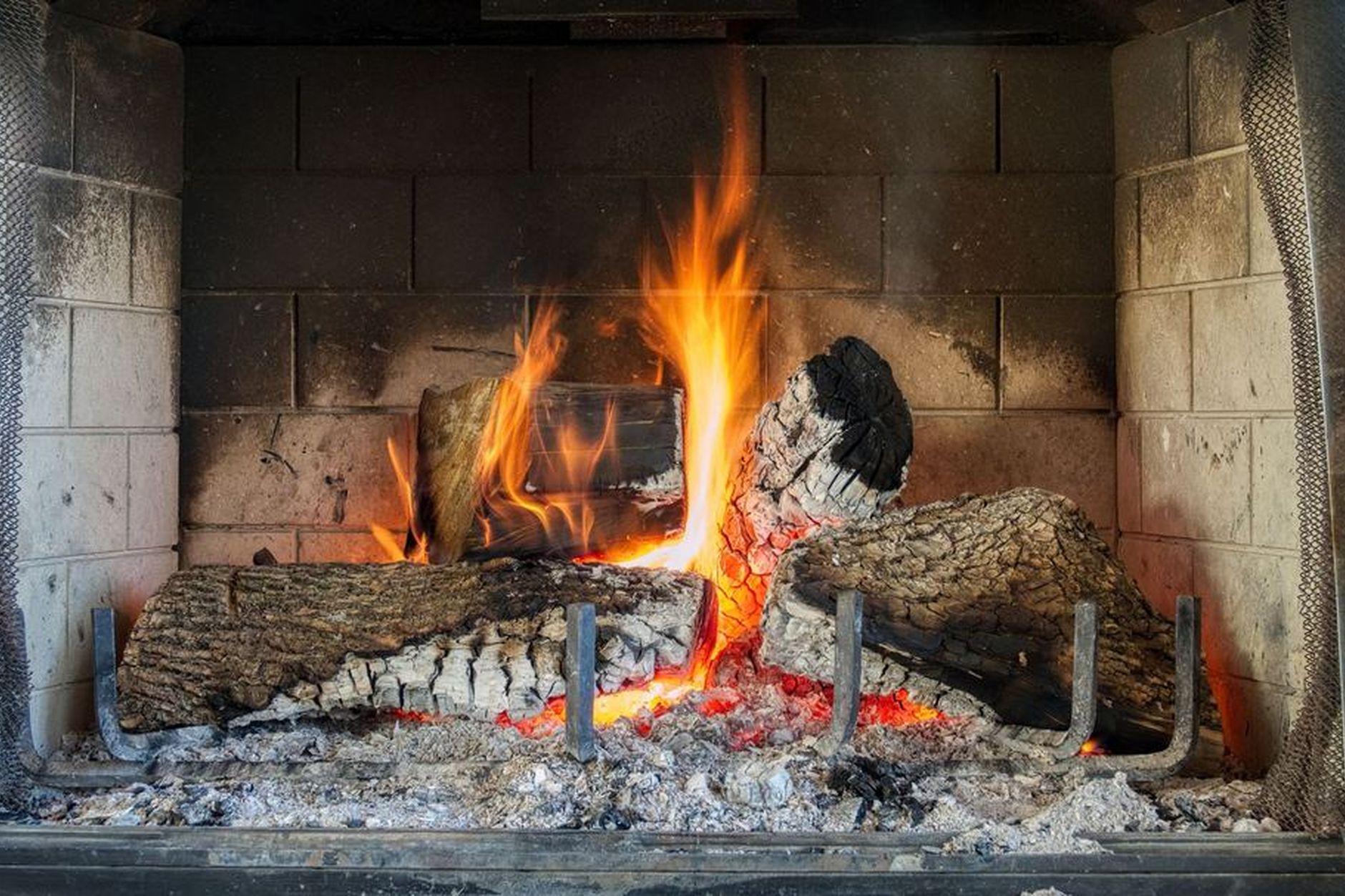
Next come the parts you can stand in front of. Each line names a spot, such as the left side wall, the joint above the lintel, the damper plate, and shows a photo of it. The sentence under the photo says what is wrong in ordinary words and what it means for lighting a fire. A typical line reads something like: firebrick at the rear wall has a crack running through two bricks; heat can reach the wall behind; repair before the next fire.
That shape, place then picture then consequence, repeats through the whole report. If a line in any chimney report you receive is missing one of the three, ask for it.
The flue pages and the video frames
This is the section that separates a Level 2 from the routine yearly check. Our camera travels down the liner from the top and the recording is kept with the job. The report pulls still frames from it wherever something needs comment, and each frame carries the depth it was taken at.
You will see three kinds of frames. Open joints between tiles, which let heat and smoke reach the masonry around the liner. Cracked or offset tiles, often from ground movement; the 1987 Whittier Narrows and 1994 quakes rattled a great many older stacks across this part of Southern California. And deposits: soot, glaze or debris thick enough to narrow the passage.
Ask for the recording itself if you want it. It belongs with the report, and a buyer who plans repairs will save time handing it to whoever does them.
Roof, attic and crawl space
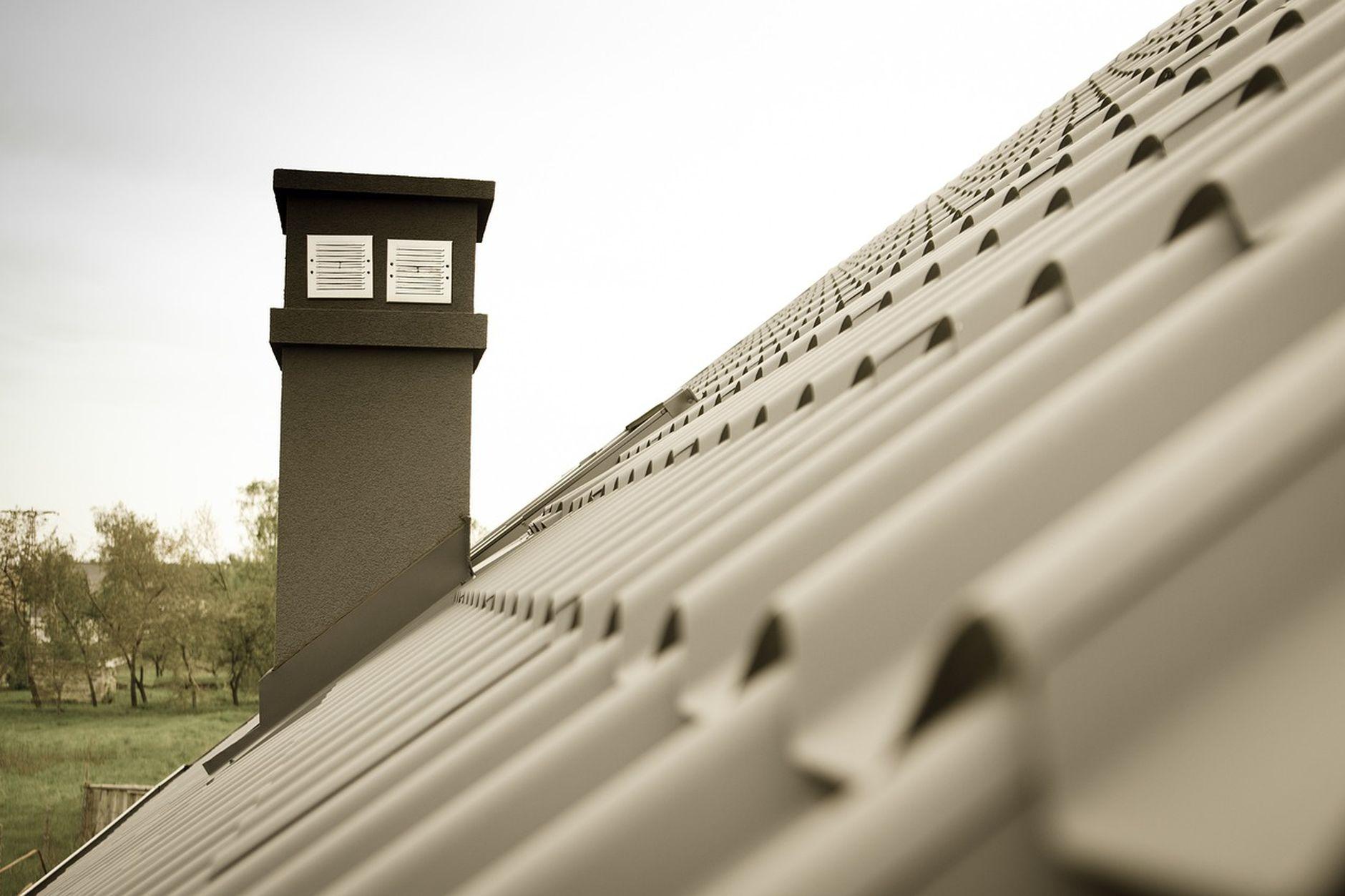
The roof pages cover the top of the chimney: the cement cap that seals the masonry around the liner, the metal hood over the flue opening, and the seam where roof and stack meet. The attic and crawl space pages, when those spaces can be entered, look at how close framing and insulation sit to the chimney and whether water has marked the wood.
These pages tend to carry the Plan it mark more than any other. In Cypress, the coastal air and winter rain both work on the top of a chimney more than its middle.
The rule behind it
NFPA 211, the fire code most inspectors in the country work from, lists a change of owner among the moments that justify the deeper Level 2. The thinking is straightforward: the person moving in cannot know how hard the previous household burned, so the inside of the flue has to be seen rather than assumed. That is why buyers' agents ask for it, and why a seller who orders one first is rarely caught out by the buyer's.
What decides the next step
Once you have read the pages, three things settle what happens in the sale:
- Each Act now line. These become repair requests, and the buyer's side usually wants them handled or priced before closing.
- Each Plan it line. These are where a repair credit is most often negotiated, because the fireplace works today.
- Which fixes have a set price. A cricket and leak tracing sit on our published list. A cap is quoted after we measure. Other work gets its own written figure.
To have a Level 2 done on a house that is listed or under contract, use the booking form at the top of this page and add every inbox the finished report should reach. The fee is $410 per flue, and the report comes with its frames and recording.
Questions people ask while reading
Can the seller order the report and the buyer rely on it? The buyer can read it, but the client is whoever booked. Many buyers want their own visit for that reason; a seller's report still tells both sides what to expect.
Is a hairline crack in a tile an Act now line? Not always. The report says whether the crack is open enough for heat to pass and whether the liner can still do its job. The mark follows from that.
Why is there a separate repair sheet? So the inspection stays a record. The up to code repairs page covers how the fixes are scoped and when a city permit is involved.
For the price side of the same visit, read what the two inspection levels cost. Sellers getting ready to list can find the order of steps on the home sale page.
Getting a copy in hand
When the house has a date to close, reach us through the contact page with the property address and the names who need the document, and we will arrange the visit around the people involved.
Rather See Your Own Chimney on Paper?
Winfield Chimney Group inspects, photographs each part and grades it sound, monitor or repair before use. Owners in Cypress, Lakewood, Seal Beach and Bellflower get one PDF they can forward to an agent, a buyer or a tenant.