Where each report stops
People in Cypress often ask us for "a fireplace inspection" when they mean the whole chimney, or "a chimney inspection" when the only thing worrying them is a gas insert that will not stay lit. Winfield Chimney Group offers both, and the simplest way to tell them apart is to look at where each report ends.
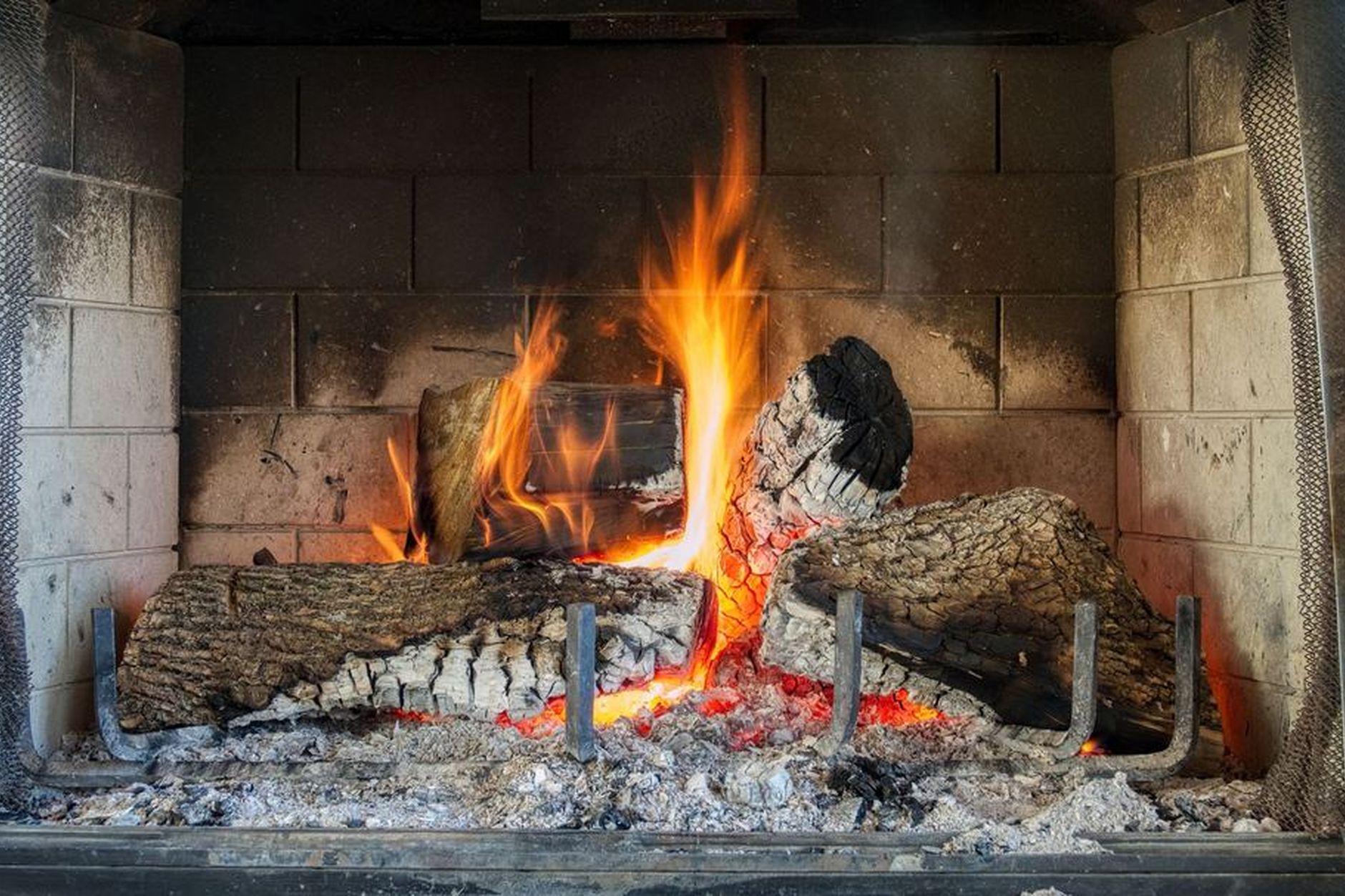
A fireplace inspection ends at the throat of the fireplace, the narrow opening just above the damper. Its pages cover what the household lives with: the opening, the hearth, the mantel, the doors or screen, the gas valve and burner if there is one, and the damper. A chimney inspection carries on past that point, up the flue and out onto the roof, and ends at the cap.
So the question is less about which one is better and more about which part of the system you need on paper.
Side by side
| Fireplace inspection | Chimney inspection, Level 1 | |
|---|---|---|
| Opening, hearth and trim | Yes | Yes |
| Damper and frame | Yes | Yes |
| Gas burner, valve and pilot | Yes | Noted, not serviced |
| Flue liner | No | As far as a lamp shows |
| Crown, cap and roof seam | No | Yes |
| Typical reason to book | Remodel, insert, gas unit | Yearly check, wood burning |
| Price | Given before the visit | $175 |
The fireplace inspection has no single figure on our list because the work behind it ranges from a quick look at a gas log set to a careful measurement of an opening before a new insert. You get the price before anyone comes out.
When the fireplace report is enough
Book the fireplace inspection on its own when the question really is about the room:
- You are planning a new surround, hearth or mantel and want to know what the opening allows before you choose materials.
- A sealed gas unit is acting up and the vent is a short run through an outside wall.
- You are about to buy an insert and the installer needs measurements and a note on the damper and smoke shelf.
- The hearth has cracked and you want to know whether that is cosmetic or a fire concern.
In each of these, the report gives you the measurements, photos and a line on what each finding means for the job you are planning.
When you need the chimney report
Book the chimney inspection when the question goes higher than the damper:
- You burn wood through the winter.
- There is a stain on the ceiling or wall near the chimney.
- The house is changing hands. For a sale, go straight to the Level 2, which adds a recorded camera pass and costs $410.
- You have never had the flue looked at since moving in.
Many Cypress tract homes have either a masonry chimney or a metal flue inside a framed chase. Both can look perfect from the living room while the top is rusting or the cement cap is cracked. Only the chimney report reaches those parts.
Booking both in one visit
Most of our wood burning customers end up with both, because the chimney inspection already includes the fireplace items that matter for burning safely. If you are planning a remodel at the same time, say so when you book and the report will add the extra measurements in the fireplace pages. You pay the chimney inspection fee; the fireplace measurements are folded in.
If a sweep is due, it starts from $440, and we do it before the inspection so the liner can be judged clean.
What decides your price and next step
Three questions settle what to book:
1. Does the fire burn wood or gas? Wood points to the chimney report every year. Gas often only needs the fireplace side, unless the vent runs up an old masonry flue. 2. Is a sale or a new appliance involved? If yes, the Level 2 is the one to book. 3. What do you plan to do with the result? A remodel or insert needs measurements; a yearly check needs marks and photos; a sale needs the camera.
When you know the answers, request a visit with the form near the top of this page. Write which fuel the fireplace burns, what prompted the call and whether a remodel or insert is planned. That is enough for us to tell you which report fits and its price before we arrive.
What each report looks like
Both documents follow the same layout. A cover sheet with the address, the date and who received copies. A short count of findings under our three marks: Act now, Plan it and Leave it. Then one line per finding, each with a photo and a plain sentence on what it means for using the fireplace.
The fireplace report adds a measurement page: opening width and height, depth, distance to the mantel and the hearth size. Anyone pricing an insert or a new surround can work from that page without a second visit.
A note on gas units
If the fireplace runs on gas and you smell gas, leave the house and phone the gas utility from outdoors before calling anyone else. An inspection is not the right first step for a leak. Once the utility has dealt with it, we can look at the burner, the valve and the venting and write up what we find.
For a broader view of what our inspections cost, read the post on the two flat inspection fees. If you are choosing between companies, our hiring post covers what a report should hold.
Asking for one
The contact page takes a few lines about the fireplace and what you want to know about it, and we will come back with the report that fits and its cost.
Rather See Your Own Chimney on Paper?
Winfield Chimney Group inspects, photographs each part and grades it sound, monitor or repair before use. Owners in Cypress, Lakewood, Seal Beach and Bellflower get one PDF they can forward to an agent, a buyer or a tenant.